
Virtual Orthopedic Scribe
Meet your documentation and note-taking needs without disrupting the excellent patient care that has earned your reputation in the field of orthopedic medicine.
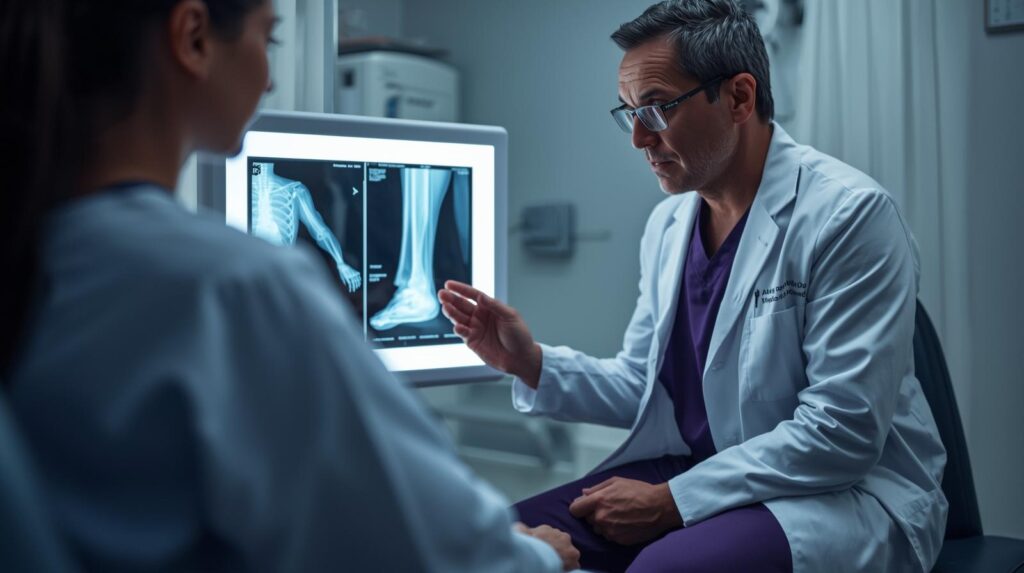

Virtual Orthopedic Scribes Handle Your Notes and Documentation For Less
Virtual orthopedic scribes support growing orthopedic practices by taking ownership of visit notes and clinical documentation, so providers can stay focused on patient care. Orthopedic visits often involve detailed histories, imaging references, treatment plans, and post-op instructions, all of which require accurate, timely documentation. When documentation spills into evenings or slows down clinic flow, it creates strain for providers and staff. A virtual orthopedic scribe helps relieve that pressure by managing notes consistently and in real time, without adding in-clinic overhead.
With Staffing For Doctors, virtual orthopedic scribes are trained to work inside your existing documentation workflows and follow your templates, terminology, and provider preferences. The role is designed around repeatable documentation processes, capturing exam details, imaging references, treatment decisions, and follow-up tasks clearly and accurately. Providers review and approve notes based on a defined cadence, which helps maintain clinical accuracy while reducing after-hours charting and documentation backlogs.
As your orthopedic practice grows, consistent documentation becomes essential for continuity of care, billing accuracy, and team coordination. Staffing For Doctors supports that consistency with vetted virtual scribes who integrate into your systems using role-based access and HIPAA-aligned processes. You maintain control over documentation standards while gaining scalable support that grows with your clinic. To see how a virtual orthopedic scribe can support your providers and protect their time, schedule a consultation with Staffing For Doctors today by calling (833) 503-1289.

These Are The Perfect Tasks To Offload to A Virtual Orthopedic Scribe
Orthopedic documentation has a way of expanding as your schedule fills. One visit can include updated history, exam findings, imaging references, procedure planning, and a clear treatment plan with next steps. When that work is handled inconsistently or pushed to the end of the day, it creates delays that ripple into billing, follow-up, and team coordination. Notes can become harder to finalize when details are reconstructed from memory, and small gaps in documentation can lead to extra back-and-forth later. That friction also affects patient communication, because the team cannot confidently reinforce instructions without a complete chart. Staffing For Doctors helps orthopedic practices assign these documentation workflows to a dedicated virtual orthopedic scribe with clear task ownership, so notes stay timely, organized, and aligned with your templates.
Virtual Orthopedic Chart Notes for Consults, Follow-Ups, and Post-Op Visits
A virtual orthopedic scribe can document the core structure of your visit notes based on your preferred templates and workflow expectations. This includes capturing the narrative of the encounter in a consistent format so charts are easier to review later. Over time, standardized notes also make it easier for multi-provider teams to maintain continuity, especially when patients move between consults, imaging follow-ups, and post-op checks.
Consistent Orthopedic SOAP Notes Aligned to Provider Templates
Orthopedic documentation is most useful when it is predictable and easy to scan. A virtual scribe follows your SOAP structure, visit-type templates, and preferred phrasing so documentation stays consistent across the day. This helps reduce variation between providers and supports clearer communication when staff need to reference the plan, restrictions, or next steps.
Orthopedic Imaging References and Findings Documented Clearly in the Chart
Imaging often drives orthopedic decision-making, and it needs to be documented in a clean, structured way. A virtual orthopedic scribe can capture the imaging references you cite during the visit and place them where they belong in your note format. When imaging details are organized and consistent, teams spend less time re-checking context and more time moving the plan forward.Treatment Plan Documentation and Orthopedic Follow-Up Task Capture
Orthopedic visits generate action items that need to be captured immediately, not remembered later. A virtual orthopedic scribe helps document the treatment plan in a way that is clear to both clinical and administrative teams. When follow-up tasks are recorded correctly, scheduling, referrals, and patient communication become easier to execute without rework.
Document Orthopedic Orders, Restrictions, and Next Steps With Clear Detail
Treatment plans can include orders, activity restrictions, DME notes, injections, surgical discussions, and specific follow-up timelines. A virtual scribe can document these details in the right sections of the chart so the plan is obvious and complete. Clear documentation helps reduce patient confusion and prevents internal back-and-forth when staff need to support the next step.Capture Orthopedic Follow-Up Tasks for Imaging, PT, and Return Visits
Many orthopedic plans involve multiple touchpoints, including imaging, physical therapy, and return appointments. A virtual orthopedic scribe can capture the follow-up tasks generated during the visit so nothing gets lost after the patient leaves. This supports stronger follow-through and helps your team keep the care timeline organized.Provider Review Cadence and Documentation Workflow Alignment
A virtual scribe works best when documentation expectations are defined and consistent. Staffing For Doctors supports a workflow where the scribe documents based on your standards and the provider reviews notes using a routine cadence that fits your clinic flow. That alignment keeps accuracy high while reducing the mental load of rebuilding notes after the fact.
Defined Approval Steps That Maintain Clinical Accuracy
Orthopedic documentation must reflect provider intent clearly, especially when treatment decisions and care plans are involved. A structured approval process ensures the provider remains in control while the scribe carries the documentation workload. When review steps are consistent, notes are finalized faster and your documentation habits become easier to maintain.Reduce After-Hours Charting With Real-Time Orthopedic Documentation Support
Charting after hours often happens when documentation has to be reconstructed from memory. A virtual orthopedic scribe helps reduce that burden by capturing details during the visit and organizing them immediately in your system. Over time, this supports better work-life balance for providers and helps prevent documentation backlogs from building quietly.
Shift Orthopedic Clinical Documentation Out of the Exam Room
When providers are documenting during the visit, the exam room can start to feel like a working session instead of a patient conversation. Orthopedic patients often need clear explanations around imaging, treatment options, and what the next few weeks will look like, especially when pain or mobility limits are part of the picture. A virtual orthopedic scribe helps shift documentation work into a structured, repeatable workflow that runs alongside the visit, not inside it. This supports a calmer visit experience for patients while helping providers keep notes accurate without sacrificing pace or focus.

Keep Orthopedic Visits Patient Focused Without Losing Documentation Detail
Orthopedic visits move quickly and the details matter. A virtual orthopedic scribe supports the visit by capturing the clinical narrative, key exam elements, and the decisions made in real time, then organizing that information into your documentation format. This helps providers stay engaged with the patient and maintain a consistent communication style, even on high-volume clinic days. Over time, the visit feels less transactional because the provider is not splitting attention between the patient and the chart.
Support Orthopedic Patient Education With More Face Time and Clearer Explanations
Patients are more likely to follow a plan when they understand it. When providers are not interrupted by typing and chart navigation, they can explain imaging results, activity restrictions, and care timelines more clearly. A virtual orthopedic scribe helps protect that face time by handling the documentation structure in parallel. The result is a visit that feels more personal and easier for the patient to trust.
Reduce Orthopedic Visit Friction When Patients Have Complex Questions
Orthopedic patients often ask detailed questions about surgery readiness, therapy expectations, and how soon they can return to work or sport. These questions are easier to address when the provider is not racing to complete documentation. A virtual scribe supports this by keeping documentation moving without pulling attention away from the conversation. This creates space for better decision-making and more confident patient buy-in.

Standardize Orthopedic Documentation Workflows Across Providers and Visit Types
As orthopedic practices grow, documentation variation becomes a real operational issue. Differences in note structure, missing elements, and inconsistent task capture can slow down downstream steps like coding, scheduling, and follow-up. A virtual orthopedic scribe helps normalize documentation habits by following your templates and ensuring key sections are completed the same way each time. That consistency becomes especially valuable in multi-provider clinics where staff depend on the chart for next steps.
Create Reliable Orthopedic Note Structures for Faster Review and Cleaner Handoffs
Clean documentation supports faster review for providers and clearer execution for staff. A virtual scribe can ensure that the assessment, plan, orders, and follow-up instructions are placed in the correct sections and written in a consistent style. When the chart is structured predictably, fewer items get missed and fewer clarifying questions come back to the provider later. This helps the practice run smoother without adding oversight work.
Improve Orthopedic Continuity of Care With Consistent Plan Documentation
Orthopedic care often spans multiple visits, imaging steps, and referrals. Continuity depends on the chart being clear enough that another provider or team member can quickly understand what happened and what comes next. A virtual orthopedic scribe supports this by documenting plans with enough detail to guide the next interaction, including timeline expectations and follow-up requirements. Patients benefit because the care journey feels coordinated instead of fragmented.

Reduce Provider Admin Load While Protecting Documentation Quality
Documentation load does not just take time, it takes mental bandwidth. When providers carry documentation into lunch breaks or evenings, it increases fatigue and makes it harder to stay consistent across the week. A virtual orthopedic scribe helps reduce that administrative burden while keeping documentation aligned with clinical intent and practice standards. Providers maintain control through review and approval, but the heavy lifting of building the note is handled through a repeatable process.
Improve Orthopedic Chart Completion Speed With Defined Review and Sign-Off Steps
A consistent review cadence helps notes get finalized faster. A virtual scribe prepares documentation in the correct format so the provider can review efficiently and confirm accuracy without rebuilding the note. When approval steps are consistent, charts are less likely to linger incomplete, and the clinic avoids documentation backlogs that slow down other teams. This supports better operational rhythm without sacrificing accuracy.
Protect Orthopedic Provider Focus During Clinic Hours and After Hours
The goal is not simply faster notes, it is fewer interruptions and less carryover work. A virtual orthopedic scribe reduces the need to context-switch between patient care and administrative tasks during the day. It also reduces after-hours charting by capturing the content while the visit is fresh and organizing it immediately. Over time, this supports better provider focus and a more sustainable clinic pace.

Reduce After-Hours Charting for Orthopedic Providers
After-hours charting usually starts with good intentions, finishing notes when the clinic quiets down, catching up between cases, or cleaning up documentation on weekends. Over time, that habit becomes a hidden workload that affects provider energy, decision-making, and consistency across the week. Orthopedic care also creates a high volume of documentation that needs to be complete and easy to reference later, especially when patients move between consults, procedures, therapy, and post-op follow-ups. A virtual orthopedic scribe helps reduce after-hours charting by building a workflow where notes are prepared promptly, organized to your templates, and ready for efficient provider review and sign-off.
Create Same-Day Orthopedic Note Completion Without Rushing the Visit
Same-day notes are easier to complete when documentation is treated as a workflow, not a personal catch-up task. A virtual orthopedic scribe supports this by preparing visit documentation while the clinical context is still fresh, then organizing the note so the provider can review quickly. This reduces the need to reopen charts later and reconstruct details from memory. It also helps the clinic maintain a more consistent documentation rhythm when schedules run behind or patient volume spikes.
Build Orthopedic Note Drafts That Are Ready for Provider Review
When a draft is structured correctly, the provider can focus on accuracy instead of formatting. A virtual scribe can populate the correct sections of the note based on your templates and documentation standards, including the assessment and plan structure you prefer. This reduces the time spent rewriting or relocating information in the chart. It also supports cleaner documentation habits across a multi-provider practice because the structure stays consistent.
Reduce Orthopedic Documentation Backlog With Standardized Work Queues
Backlogs grow when notes are treated as one more item to remember at the end of the day. A virtual orthopedic scribe helps prevent that by maintaining a consistent queue process for draft completion, updates, and finalization steps. Clear ownership makes it easier to see what is pending and what is ready for review. That visibility helps providers stay current without sacrificing clinical time.

Improve Orthopedic Documentation Accuracy by Capturing Details While Fresh
Orthopedic documentation can lose accuracy when it is delayed. Specific exam findings, imaging context, and patient concerns can blur after a full day of visits, especially when providers are switching between conditions and treatment pathways. A virtual orthopedic scribe supports stronger accuracy by capturing details closer to the visit and organizing them in a way that reflects clinical intent. This helps protect chart quality while reducing the strain of rebuilding notes after hours.
Capture Orthopedic Exam Findings and Clinical Decision Points Clearly
Orthopedic assessments often involve specific findings that matter for downstream care, coding, and continuity. A virtual scribe can document exam elements and decision points in the correct sections so they are easy to reference later. This improves clarity when staff need to support next steps like scheduling, therapy coordination, or procedure planning. It also reduces the likelihood of vague notes that create follow-up questions later.
Strengthen Orthopedic Plan Documentation for Therapy, Imaging, and Follow-Up
Treatment plans in orthopedics frequently include multiple components that must be documented precisely. A virtual orthopedic scribe helps ensure plans include the right level of detail, including what the patient is expected to do next and what the clinic is coordinating. Clear plan documentation also supports smoother handoffs because staff can act on documented instructions without guessing. Patients benefit because follow-through feels organized and consistent.

Support Provider Work-Life Balance While Maintaining Documentation Standards
Reducing after-hours charting is not only a productivity goal, it is a sustainability goal. When providers spend less time finishing notes at night, they can recover between clinic days and maintain a steadier pace over the long term. A virtual orthopedic scribe supports that outcome without lowering standards because providers remain the final approver of the record. The difference is that the documentation workload becomes more manageable and less disruptive.
Reduce Orthopedic Documentation Fatigue With Predictable Review Cadence
A predictable review routine makes it easier to stay current. A virtual scribe can align documentation preparation to the provider’s preferred cadence so charts are ready at the right time each day. That consistency reduces mental load because the provider is not constantly tracking which notes still need attention. Over time, it helps prevent the cycle where one delayed day creates a backlog for the rest of the week.
Maintain Orthopedic Documentation Quality With Provider-Controlled Sign-Off
Quality stays high when providers control the final review and approval process. A virtual orthopedic scribe supports that control by preparing notes that follow your templates and documentation rules, then routing them for review in a consistent way. Providers can confirm accuracy quickly because the note is structured and complete. This supports stronger compliance, clearer continuity of care, and fewer documentation gaps without requiring after-hours work.
Find a Fully-Trained, HIPAA-Aligned Orthopedic Scribe Today
A virtual orthopedic scribe helps your practice keep documentation accurate, consistent, and easier to complete, without adding in-clinic headcount. Staffing For Doctors connects orthopedic practices with vetted scribes who are trained to follow structured documentation workflows, work within your templates, and support provider review routines that keep charts moving toward completion. The result is a smoother documentation process that supports continuity of care and reduces the day-to-day friction that often builds when notes lag behind the schedule.
Because orthopedic documentation is tied closely to treatment decisions, follow-up planning, and downstream billing steps, the role needs clear standards and tight process control. Staffing For Doctors supports that structure with role-based access and HIPAA-aligned processes, so your team can integrate a virtual orthopedic scribe into existing systems while maintaining oversight. You gain dependable documentation support that fits the way your providers work, and you keep the clinic focused on patient care instead of end-of-day chart cleanup.
If you are ready to strengthen documentation workflows and reduce the burden on your providers, schedule a consultation with Staffing For Doctors today. Call (833) 503-1289 to get started.
Get reliable, scalable support that transforms your practice operations and patient experience.

Save up to 60% compared to hiring in-office staff.

Keep your team and patients longer with consistent, reliable support.

A virtual assistant fully focused on your practice—no shared staffing.

Fully remote staff integrated into your existing systems.