
Virtual Receptionist for MRI and Imaging Centers
Take on more patients without overtaxing your front desk or back office. Let us help you recruit a virtual receptionist that helps your medical imaging center grow.
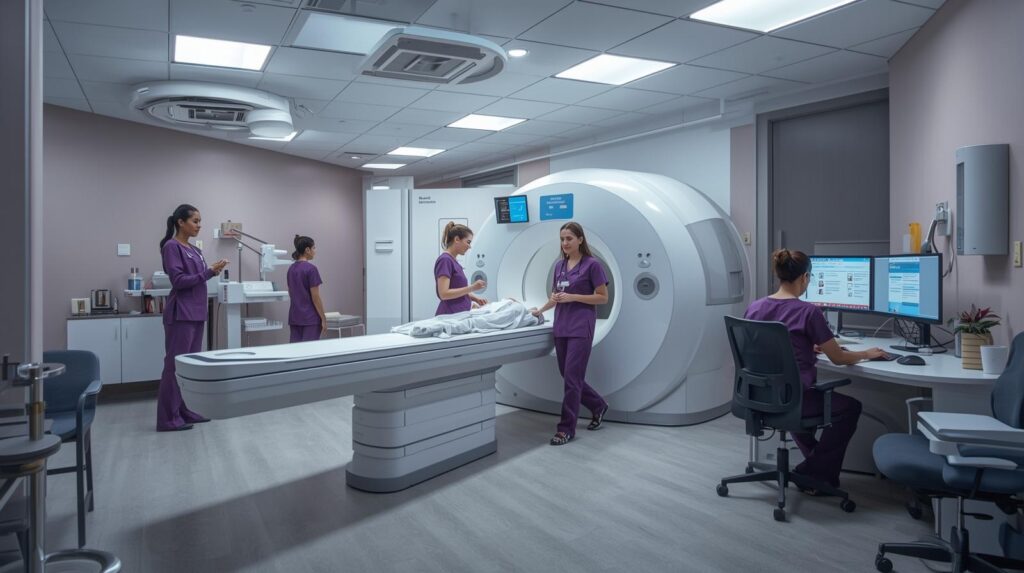

Expand MRI Clinic Call Coverage Without Increasing Your Overhead
A virtual receptionist plays a critical role in imaging centers where call volume, appointment questions, and referral-driven scheduling all compete for attention throughout the day. As scan volume increases, unanswered calls and delayed responses can quickly turn into missed appointments, frustrated patients, or avoidable schedule gaps. A trained virtual receptionist gives your MRI or imaging center consistent phone and message coverage without adding in-house headcount, helping ensure every patient inquiry is acknowledged and guided toward a clear next step.
Staffing For Doctors virtual receptionists are trained to work inside the systems and workflows imaging centers rely on every day. They handle incoming calls, voicemails, and patient messages using your scripts, escalation rules, and documentation standards, so communication stays accurate and organized. Whether patients are calling with preparation questions, appointment requests, or referral-related follow-up, the virtual receptionist keeps conversations moving while protecting your technologists’ and front desk team’s time for scan-day execution and in-person care.
Getting started is structured and controlled. You define how calls should be handled, what information should be captured, and when requests should be escalated. Staffing For Doctors matches you with vetted candidates who are onboarded around imaging-specific workflows and HIPAA-aligned access, then supported through a centralized dashboard that keeps coverage and handoffs visible. If you are ready to expand call coverage, reduce missed opportunities, and keep patient communication running smoothly as volume grows, schedule a consultation with Staffing For Doctors today. Call (833) 503-1289

Shift These Tasks to a Virtual Receptionist to Help Your Medical Imaging Center Grow
As your medical imaging center grows, call volume rises in a way that can quietly disrupt everything downstream. Missed calls turn into missed appointments, preparation questions pile up, and referral-driven scheduling slows when patients cannot get a clear answer fast. Staffing For Doctors helps you shift these front-end communication tasks to a trained virtual receptionist who works inside your workflows, follows your scripts, and documents every interaction with clear next steps. The result is steadier patient responsiveness, fewer avoidable schedule gaps, and more protected time for your on-site team to stay focused on scan-day flow. This also creates a cleaner intake path for new requests, so your staff is not constantly switching between phones, in-person patients, and administrative follow-up. Patients receive consistent answers on timing, arrival expectations, and basic preparation standards, which reduces last-minute confusion and day-of delays. When the receptionist records outcomes in real time, your team can see what is pending, what is resolved, and what needs escalation without chasing context across multiple messages. That visibility helps managers spot recurring bottlenecks earlier and adjust coverage before gaps become routine. Over time, communication becomes more predictable, and your imaging center can scale volume with less friction across the front desk.
MRI and Imaging Center Phone Coverage That Protects Scheduling Momentum
A virtual receptionist gives your imaging center consistent coverage for incoming calls, voicemails, and message follow-up, especially during peak hours when the front desk is already juggling multiple priorities. Instead of letting calls roll to voicemail or leaving patients waiting on hold, the receptionist keeps communication moving and routes requests based on your rules. Over time, this creates a more predictable front desk rhythm and helps your schedule stay full without forcing your in-house team to multitask through every interruption.
Answer High-Volume Imaging Calls With Consistent Call Handling Standards
Imaging patients call with a mix of questions, and a consistent call flow reduces confusion and unnecessary back-and-forth. A virtual receptionist uses your preferred scripts to gather the right details, respond with clear expectations, and document the outcome in your system. This helps your team avoid repeated conversations and creates a cleaner handoff when another team member needs to step in.
Route Urgent Requests and Clinical Questions Using Escalation Rules
Not every call should become a scheduling change, and not every question belongs with the front desk. A virtual receptionist follows escalation rules to route clinical questions, urgent timing concerns, and complex issues to the correct person quickly. This protects patient safety and protects staff focus, while still ensuring patients feel supported and guidedPatient Scheduling Support for MRI and Diagnostic Imaging Appointment Requests
Scheduling in an imaging center requires accuracy, coordination, and consistent follow-through, not just booking the next available slot. A virtual receptionist can handle appointment requests, capture required scheduling details, and keep the process organized so patients move toward a confirmed time without delay. This improves responsiveness while reducing the administrative load that often pulls attention away from in-person check-in, scan prep coordination, and day-of workflow.
Capture the Details That Prevent Reschedules and Modality Mismatches
Imaging appointments can fall apart when key information is missing at the start, such as the order type, requested modality, or basic patient readiness needs. A virtual receptionist can capture what your team requires upfront, then document it clearly so scheduling stays accurate. This reduces errors that lead to rework, rescheduling, and avoidable idle scan time.Confirm Appointment Changes Quickly Without Creating Schedule Gaps
Reschedules happen, but delays in responding can create gaps that are hard to recover. A virtual receptionist can manage rescheduling requests promptly, confirm next steps, and keep the schedule updated based on your rules. Faster turnaround helps protect utilization and reduces last-minute disruption for both technologists and patients.Imaging Patient Preparation Questions and Pre-Visit Communication
Patient readiness is a major driver of smooth imaging operations. When preparation questions go unanswered, patients are more likely to arrive unprepared or cancel late, which can trigger reschedules and wasted scanner time. A virtual receptionist can handle common preparation questions, share standardized pre-visit instructions, and reinforce expectations so patients feel confident and your team avoids preventable scan-day friction.
Provide Clear MRI and Imaging Prep Instructions That Improve Readiness
Patients often need practical guidance about timing, paperwork, and what to bring, especially when appointments are booked quickly. A virtual receptionist can deliver preparation instructions in a consistent, patient-friendly way that matches your process and documentation standards. Clear instructions reduce confusion and help patients arrive ready, which supports on-time starts and smoother throughput.Run Appointment Confirmation and Reminder Cadences That Reduce No-Shows
A steady reminder cadence is one of the simplest ways to protect schedule stability. A virtual receptionist can send confirmations, follow up on unconfirmed appointments, and reinforce key preparation steps so fewer appointments fall through. This creates a more predictable day for your team and a more organized experience for patients.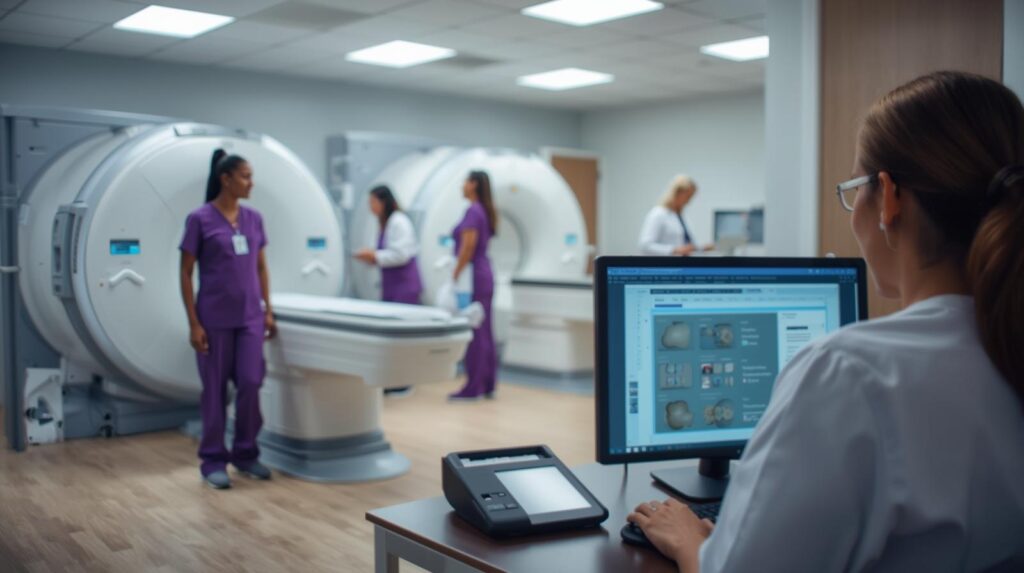
How Virtual Receptionists Benefit In-House Medical Imaging Staff
When your imaging center is busy, the biggest cost is often not the call itself, it is the interruption it creates. Every time a technologist, front desk lead, or coordinator has to stop mid-task to answer a question, locate details, or replay the same instructions, throughput slows and stress rises. A virtual receptionist reduces that disruption by owning the communication layer that drives daily flow, then documenting outcomes so your in-house team can act quickly without rechecking context. This support is most valuable when volume is steady and high, because it helps your on-site staff stay focused on scan-day execution, patient-facing tasks, and the work that cannot be done remotely.

Protect Technologist and Front Desk Focus During High-Volume Scan Days
A virtual receptionist helps keep your on-site team out of constant reactive mode. Instead of pulling staff away from check-in, patient movement, and modality turnover, routine questions and updates are handled consistently and logged with the next action. This reduces task switching and helps your team maintain a calmer pace, especially during peak appointment blocks when small delays can stack into larger schedule problems.
Reduce Workflow Interruptions That Slow Imaging Throughput
Interruptions often lead to missed steps, duplicate work, and slower room turnover. A virtual receptionist absorbs non-clinical communication, captures key details, and routes only the items that truly require in-house attention. Your team spends less time stopping to answer basic questions, and more time keeping patients moving through the center smoothly.
Keep In-Clinic Staff Available for In-Person Patient Needs
In imaging, the patient experience is shaped heavily by what happens on-site, not only by what happens on the phone. When in-house staff are not tied up with incoming calls, they can support calmer check-in, clearer wayfinding, and smoother coordination when patients arrive with questions. That creates a more controlled experience for patients and makes the day easier for your team to manage.

Improve Internal Handoffs With Cleaner Communication and Documentation
A virtual receptionist supports better handoffs by making sure each interaction ends with a documented outcome and a defined next step. When multiple people touch the same patient journey, clear notes prevent repeated conversations and avoidable confusion. This creates continuity across the front desk and back office, and it reduces the friction that builds when team members have to reconstruct what happened earlier in the day.
Document Patient Communication So Staff Do Not Have to Rework the Same Requests
When details are missing, your team loses time re-calling patients, re-checking messages, and replaying conversations. A virtual receptionist can document what the patient asked, what was provided, and what is pending, based on your standards. Clear documentation reduces internal backtracking and helps your staff act with confidence on the next step.
Support Faster Issue Resolution With Structured Notes and Clear Next Actions
Imaging centers move faster when the next action is obvious. A virtual receptionist can log outcomes in a consistent format so a supervisor, scheduler, or lead can see what is needed immediately. That visibility helps your team resolve issues quickly without chasing down context, and it reduces the chance that a request stalls between team members.
Reduce Staff Stress and Stabilize Day-to-Day Operations
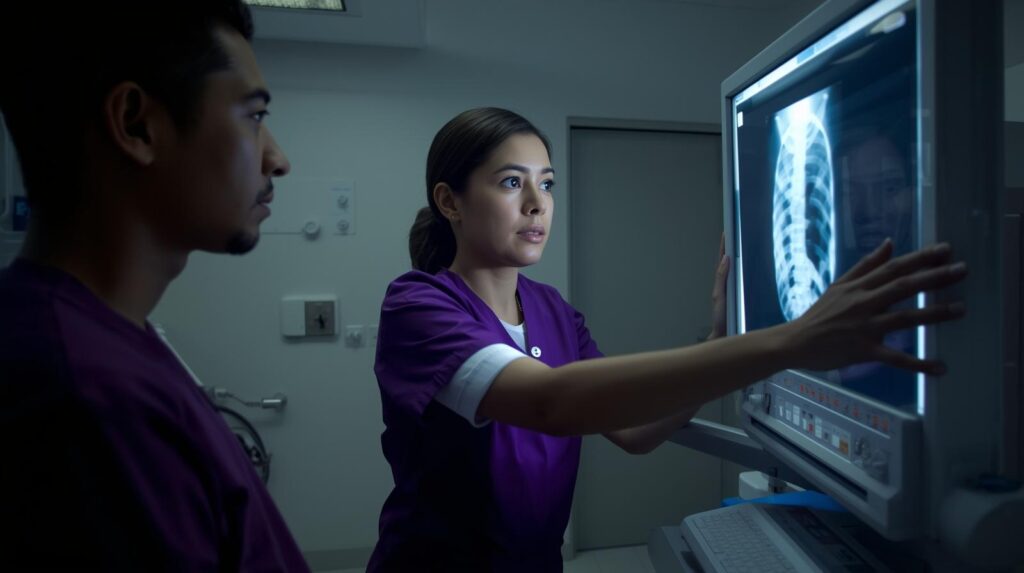
Front desk pressure builds when phones compete with in-person responsibilities and volume stays high. A virtual receptionist helps stabilize workload by adding dependable coverage that does not require schedule juggling, extra workstations, or constant rebalancing of responsibilities. Over time, that stability improves morale, reduces burnout risk, and helps you run a more predictable operation.
Minimize Overtime and End-of-Day Catch-Up for Your On-Site Team
When calls and messages pile up, your staff often has to stay late to close loops and clean up loose ends. A virtual receptionist helps prevent that backlog by managing communication in real time and capturing what is needed for follow-through. This reduces end-of-day catch-up work and supports a more sustainable workload for your team.
Create More Consistent Coverage During Breaks, Peaks, and Staffing Gaps
Even well-run centers have coverage gaps when staff are on breaks, assisting patients, or handling time-sensitive tasks. A virtual receptionist helps keep communication responsive during those moments so calls do not snowball into frustration and missed opportunities. That consistency gives your on-site team breathing room while keeping patient communication steady.

Improve MRI and Imaging Center Patient Communication Consistency
Consistency in patient communication is one of the fastest ways to make an imaging center feel organized, even when volume is rising. Patients call with urgency, uncertainty, and specific questions, and the experience changes depending on who answers and how the message is captured. Staffing For Doctors helps imaging centers standardize that experience by assigning a virtual receptionist to follow your communication standards, document outcomes in a consistent format, and keep every interaction aligned with your process. When the same questions receive the same clear answers and the same next steps are recorded every time, your team spends less time correcting misunderstandings and more time keeping patients prepared and appointments on track.
Standardize MRI and Imaging Center Patient Messaging Across Phone and Text
A virtual receptionist helps you unify what patients hear and what they receive in writing, so your imaging center does not feel fragmented across channels. Patients get consistent language around timing, arrival expectations, forms, and basic preparation guidance based on your established scripts. This matters because imaging appointments often involve multiple touchpoints before the visit, and inconsistency between a phone call, a voicemail response, and a text reminder can create avoidable confusion.
Use Consistent Imaging Center Phone Scripts for Common Patient Questions
Most imaging centers answer the same categories of questions repeatedly, and script consistency protects both accuracy and patient confidence. A virtual receptionist can follow your approved language for preparation basics, document requirements, and scheduling expectations, then record the outcome in your preferred note format. This reduces miscommunication and helps patients feel guided, especially when they are coordinating around work, travel, or time-sensitive care.
Keep Imaging Patient Communication Aligned With Your Escalation Guidelines
Patients sometimes ask questions that should not be handled as routine front desk requests. A virtual receptionist can apply your escalation guidelines to route sensitive concerns, complex clinical questions, or time-critical issues to the correct in-house contact. That keeps communication consistent without overstepping, and it helps your team respond in a controlled way when situations require a higher level of attention.

Improve Imaging Patient Preparedness With Clear Next-Step Communication
Imaging patients feel more prepared when they know exactly what happens next, and when instructions are delivered the same way each time. A virtual receptionist strengthens preparedness by reinforcing step-based guidance, confirming understanding when needed, and documenting what was communicated. This reduces day-of surprises and makes the patient journey feel more intentional from the first contact.
Send Consistent Imaging Appointment Instructions Based on Visit Type
Patients often interpret instructions differently when they are delivered casually or inconsistently. A virtual receptionist can share the correct instruction set based on your workflow, then confirm key details such as arrival timing, required documents, and any basic preparation expectations. When instructions are consistent, patients are less likely to arrive missing information, which helps your in-house team avoid last-minute scrambles.
Reinforce Imaging Center Policies Without Creating Patient Friction
Policies around arrival windows, late arrivals, documentation requirements, and rescheduling rules work best when they are communicated early and consistently. A virtual receptionist can reinforce these policies in a calm, patient-friendly way that matches your tone and service standards. That protects your schedule while keeping patient interactions respectful and clear.

Reduce Patient Re-Contact With Better First-Contact Resolution for Imaging Calls
Repeated calls are often a signal that the first interaction did not fully resolve the patient’s concern. A virtual receptionist improves first-contact resolution by gathering the right details up front, providing complete answers within your guidelines, and clearly documenting what was handled. Over time, this reduces the number of follow-up calls that interrupt your front desk and improves patient confidence that your imaging center is responsive.
Capture Key Details on the First Call to Prevent Back-and-Forth
When details are incomplete, staff have to call back, re-ask questions, and re-check information, which creates unnecessary delay. A virtual receptionist can use an intake checklist aligned with your process to capture what your team needs to proceed. Complete capture reduces repeated conversations and helps requests move forward with fewer handoffs.
Document Communication Outcomes so Patients Do Not Have to Repeat Themselves
Patients notice when they have to restate the same request to multiple people. A virtual receptionist can document the question, the response, and the next action in a consistent way so any team member can pick up the thread immediately. That continuity improves the patient experience and reduces internal friction across your imaging center team.
Let Staffing For Doctors Connect Your MRI or Imaging Center With HIPAA-Aligned Virtual Candidates
A virtual receptionist only works when the role is filled with someone who can represent your imaging center clearly, stay organized under pressure, and follow documentation standards without shortcuts. Staffing For Doctors connects MRI and imaging centers with vetted virtual receptionist candidates who are trained for patient communication, call handling workflows, and consistent next-step documentation. Instead of adding another layer of chaos, you gain structured front desk support that fits into how your center already operates and keeps patient interactions professional and predictable.
Your virtual receptionist is aligned to HIPAA-focused access practices and role-based responsibilities so patient information is handled appropriately from day one. Staffing For Doctors also helps ensure the receptionist follows your scripts, escalation guidelines, and communication expectations so your on-site team stays protected from constant interruptions and patients receive clear answers faster. With the right person in place, your imaging center can improve responsiveness, reduce missed opportunities, and keep scan-day flow steadier as volume grows.
If you are ready to add reliable virtual receptionist coverage without increasing overhead, schedule a consultation with Staffing For Doctors today. Call (833) 503-1289 to get started.
Get reliable, scalable support that transforms your practice operations and patient experience.

Save up to 60% compared to hiring in-office staff.

Keep your team and patients longer with consistent, reliable support.

A virtual assistant fully focused on your practice—no shared staffing.

Fully remote staff integrated into your existing systems.