
Virtual Dental Surgery Scheduler
Tighten provider and patient coordination for your high-value dental procedures. Keep scheduling organized at a fraction of the cost for in-clinic help.


Why Your Dental Practice Needs a Virtual Surgery Scheduler
Surgical procedures place unique pressure on a dental practice. They involve longer appointment blocks, multiple moving parts, pre-op preparation, post-op follow-up, and tight coordination between providers, staff, and patients. When surgery scheduling is handled alongside general front desk duties, details get missed, cases are delayed, and valuable chair time goes unused. A virtual dental surgery scheduler gives these complex appointments dedicated ownership, helping your practice run surgical days with greater precision and fewer disruptions.
A virtual surgery scheduler focuses specifically on managing surgical calendars and the workflows that surround them. This includes coordinating procedure timelines, confirming provider availability, ensuring required documentation is in place, and communicating clearly with patients before and after surgery. By isolating this responsibility into a single role, your practice reduces last-minute cancellations, improves case readiness, and keeps surgical schedules running smoothly without pulling attention away from day-to-day patient flow.
With Staffing For Doctors, virtual surgery schedulers are onboarded around your surgical protocols, practice management software, and scheduling rules. They work within your systems and communication standards, while your team maintains visibility and control through a centralized dashboard. The result is better utilization of surgical chair time, fewer scheduling gaps, and a more organized experience for both patients and providers. Ready to strengthen your surgical scheduling process and protect high-value procedures? Schedule a consultation to see how Staffing For Doctors can support your practice. Call us now at (833) 503-1289.
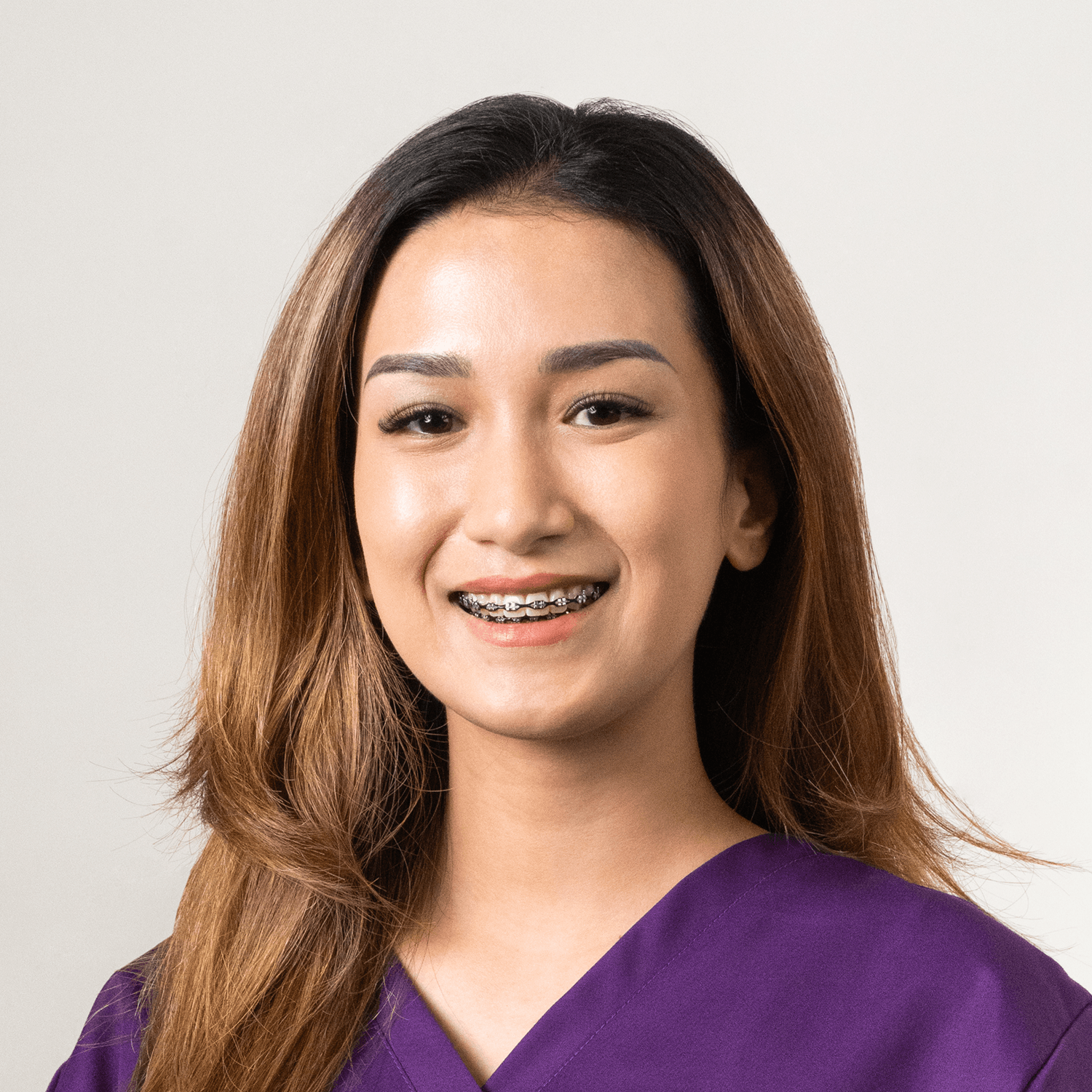
Virtual Schedulers Coordinate Dental Procedures With Patient and Doctor Timing
Dental surgery scheduling is a coordination problem more than a calendar problem. You are balancing provider availability, procedure length, operatory setup needs, patient readiness, and the reality that patients often have limited flexibility. When any piece is missed, cases get pushed, schedules develop gaps, and your team spends the day reshuffling instead of delivering care. A virtual dental surgery scheduler recruited by Staffing For Doctors creates a repeatable coordination process that keeps surgical days predictable. By confirming timing requirements early, aligning the right provider time blocks, and communicating clearly with patients, the scheduler helps your practice protect high-value chair time while improving the overall experience.
Align Dental Surgery Appointment Blocks With Provider Availability
Surgical schedules require more than finding an open slot. A virtual surgery scheduler helps align the procedure with the right provider, the right operatory, and the right time block so the day stays organized and the schedule stays realistic.
Match Procedure Length And Setup Requirements to Operatory Time
Your scheduler can block appropriate time based on procedure type, expected duration, and any setup or turnover needs. This reduces overbooking, prevents bottlenecks, and helps surgical days run on time.
Coordinate Multi-Provider Timing for Surgical and Restorative Sequences
Many cases require coordination across providers, such as surgical placement followed by restorative steps at a later time. A scheduler can align sequencing timelines, maintain case notes, and ensure the schedule supports the full plan without creating unnecessary delays.Confirm Dental Surgery Patient Timing and Pre-Appointment Readiness
Patients need clear guidance before surgical appointments. When pre-op requirements are not confirmed early, practices face late cancellations, reschedules, and incomplete case readiness. A virtual scheduler supports smoother surgical days by confirming patient timing and preparing patients in advance.
Run Pre-Op Confirmation Workflows to Reduce Last Minute Cancellations
Your scheduler can confirm appointment details, timing expectations, and required pre-visit steps with the patient. Consistent confirmation improves attendance and helps your practice maintain schedule stability.Identify Timing Conflicts Early and Offer Rescheduling Options
Patients often have time constraints that do not surface until the last minute. A virtual scheduler can clarify timing needs early, address conflicts, and offer alternatives that preserve production without creating chaos in the schedule.Coordinate Surgical Case Notes and Scheduling Handoffs Across Teams
Surgery scheduling touches multiple teams. When case details are not documented consistently, communication breaks down between front desk, clinical staff, and providers. A virtual scheduler maintains clean case notes and structured handoffs so everyone knows what is happening and when.
Maintain Standardized Case Notes in Your Dental Practice Management Software
Your scheduler can document procedure type, planned duration, provider notes, and pre-op requirements in a consistent format. This makes the schedule easier to manage and reduces repeated clarification requests.Route Exceptions and Changes Through Clear Handoff Rules
Not every case stays routine. Your scheduler can escalate exceptions such as urgent cases, patient availability changes, or provider conflicts using your handoff rules. This keeps adjustments organized and protects the rest of the schedule from disruption.Fill Surgical Schedule Gaps With Waitlist and Confirmation Systems
Surgical chair time is high value and hard to recover if it goes unused. A virtual scheduler can maintain a structured waitlist and use consistent outreach to fill cancellations quickly, helping your practice protect production.
Maintain A Dental Surgery Waitlist Based on Procedure Type and Timing Flexibility
Your scheduler can organize a waitlist by patient readiness, procedure type, and how quickly the patient can come in. This allows faster backfilling when openings occur.Confirm Backfilled Appointments With Clear Patient Communication Standards
When an opening is filled, the patient needs clear instructions and expectations. A virtual scheduler can confirm arrival times, prep requirements, and next steps so backfilled appointments stay stable and do not create additional rescheduling.
How a Virtual Scheduler Frees Up In-House Dental Staff for Patient Care
Surgery scheduling pulls your in-house team away from the work dental patients feel most. It requires extended phone calls, repeated follow-ups, back-and-forth timing changes, and careful coordination with clinical constraints. When that effort sits on the front desk or clinical support staff, patient-facing coverage suffers. Calls get rushed, check-in slows down, and small service issues become bigger frustrations. A virtual dental surgery scheduler removes that scheduling load from your in-house team by taking ownership of coordination and communication. Your staff stays focused on the patients in the office, while scheduling work continues in a consistent, organized rhythm behind the scenes.

Reduce Front Desk Interruptions By Offloading Dental Surgery Scheduling Tasks
Front desk teams often carry scheduling work on top of phones, check-in, checkout, and daily problem-solving. Surgery scheduling adds long calls and higher stakes, which can break the pace of the entire day. A virtual scheduler helps by managing the time-intensive scheduling responsibilities that create constant interruptions.
Manage Surgical Scheduling Calls So Front Desk Staff Stay Patient-Facing
Your virtual scheduler can handle scheduling calls and follow-ups with patients who need longer conversations, questions answered, or multiple rescheduling options. This keeps your front desk available to greet patients, manage arrivals, and maintain a smooth flow in the office.
Reduce Back and Forth Scheduling With Clear Communication and Confirmation Standards
Surgery scheduling often requires multiple touches. A virtual scheduler can use consistent communication standards to confirm timing, expectations, and next steps, reducing the number of repeat calls your in-house team has to manage.

Improve In-Office Patient Experience With Better Coverage at Check In and Checkout
Patients feel staffing pressure most at the beginning and end of visits. If the front desk is tied up with surgical scheduling, check-in lines grow, phone holds increase, and checkout becomes rushed. Offloading surgical scheduling helps your team stay fully available for patient-facing service.
Reduce Hold Times and Missed Calls During Busy Clinical Hours
When surgical scheduling is handled virtually, the front desk can focus on live patient needs instead of juggling long scheduling calls. This supports faster response times and reduces missed calls that can lead to lost opportunities and frustrated patients.
Keep Checkout and Next Appointment Planning Smooth and Unrushed
Patients often have questions about next steps, future visits, and paperwork. When staff are not pulled away for scheduling coordination, they can deliver a more attentive checkout experience and confirm the plan without rushing.

Support Clinical Team Focus By Handling Pre-Op and Post-Op Scheduling Communication
Surgery scheduling creates a steady stream of patient questions and timing changes that can spill into clinical team time. A virtual scheduler can manage communication workflows that keep patients informed without pulling assistants or hygienists into scheduling tasks.
Coordinate Pre-Op Scheduling Touchpoints Without Pulling Chairside Staff Away
Your scheduler can manage pre-op scheduling communication, appointment confirmations, and timing updates so clinical staff can stay focused on room turnover and chairside support. This helps keep the day running smoothly, especially on heavy surgical days.
Manage Post-Op Scheduling Follow Up for Next Visits and Provider Timing
After surgery, patients often need follow-up visits scheduled within a specific window. A virtual scheduler can coordinate those timelines, confirm availability, and book the right appointment type so follow-ups happen on schedule without creating additional work for your in-house team

Maintain Scheduling Oversight With Centralized Visibility and Clear Handoffs
Freeing up staff does not mean losing control. The virtual scheduler model works best when scheduling decisions follow clear standards and leadership retains visibility. With structured handoffs and centralized tracking, your practice can keep scheduling consistent while reducing the daily burden on your team.
Use Standard Scheduling Rules to Protect Provider Time and Operatory Capacity
Your scheduler can follow your timing rules for procedure blocks, turnover expectations, and provider availability so the schedule stays realistic. This protects patient flow and reduces the need for last-minute changes.
Escalate Exceptions to the Right Team Member Using Defined Scheduling Handoff Rules
Some cases require quick decisions, such as urgent changes, high-value cases, or clinical constraints. Your scheduler can route exceptions through your handoff rules so scheduling remains organized and your team stays focused on patient care.

Protect High-Value Dental Surgery Chair Time From Schedule Volatility
Surgical chair time is different from routine appointments because it is harder to replace and more expensive to lose. A single cancellation can leave a large production gap that is not easily filled, especially when procedures require specific provider blocks, operatory readiness, and patient preparation. Volatility also increases as dental case volume grows, since more moving parts create more opportunities for timing changes. A virtual dental surgery scheduler helps protect high-value chair time by running stability-focused scheduling workflows. Instead of reacting to cancellations and last-minute conflicts, your practice builds a system that confirms commitment early, identifies risk before it becomes a hole in the schedule, and keeps surgical blocks utilized with consistent follow-through.
Reduce Dental Surgery Schedule Disruptions With Proactive Patient Commitment Workflows
Surgical scheduling becomes unstable when patients are unsure, unprepared, or unclear about timing expectations. A virtual scheduler can create a structured commitment process that reduces uncertainty and helps patients stay on track leading up to the procedure.
Confirm Surgical Appointment Details Using Multi-Step Outreach Standards
Your scheduler can use a structured confirmation sequence that verifies date, time, arrival expectations, and required preparation steps. Multiple confirmation touchpoints help reduce day-of surprises and give your team time to address issues before they impact the schedule.
Identify Cancellation Risk Early Through Patient Communication Checkpoints
Patients often signal risk before they cancel, including hesitations about timing, transportation, or preparation requirements. A scheduler can document these signals and route high-risk cases for escalation or proactive rescheduling, helping you protect the surgical block.

Improve Dental Surgery Readiness By Coordinating Pre-Op Requirements
Cancellations and delays often happen because patients are not ready. Readiness includes paperwork, instructions, and any required approvals your practice uses. A virtual scheduler helps reduce volatility by making readiness a trackable workflow rather than a last-minute scramble.
Track Required Pre-Op Documents And Confirm Completion Before Surgical Day
Your scheduler can monitor whether forms, consents, and required documentation are completed within the timeline you set. When something is missing, the scheduler can follow up early and keep the case from stalling.
Coordinate Timing Around Patient Preparation And Clinical Instructions
Surgical cases often require specific patient preparation. A scheduler can communicate instructions clearly, confirm understanding, and ensure timing aligns with readiness expectations. This reduces delays that can disrupt the rest of the surgical schedule.

Maintain Surgical Schedule Stability With Waitlists and Backfill Systems
Even with strong confirmation workflows, cancellations still happen. The difference is whether your practice can recover the chair time quickly. A virtual scheduler can maintain a structured waitlist and a fast backfill process designed specifically for surgical blocks.
Build A Dental Surgery Waitlist Based on Procedure Type and Patient Availability
Your scheduler can categorize waitlist patients by procedure type, estimated time requirements, and how quickly they can come in. This makes it easier to match an opening with a patient who fits the block and is ready to proceed.
Backfill High Value Surgery Openings With Fast Patient Outreach
When a cancellation occurs, speed matters. Your scheduler can launch immediate outreach to fill the opening using your communication standards, then confirm readiness steps so the replacement appointment holds.

Improve High-Value Dental Case Utilization With Scheduling Performance Tracking
Protecting chair time requires visibility into what is causing volatility. A virtual scheduler can help your practice track scheduling patterns and identify the common reasons surgical blocks are lost. This allows your team to adjust processes and reduce repeat disruptions.
Track Cancellation Trends and Reschedule Patterns to Reduce Recurring Losses
Your scheduler can document cancellation reasons and reschedule timing patterns so leadership can identify repeat issues. Understanding these trends helps you tighten workflows and improve schedule stability over time.
Maintain Scheduling Accountability With Centralized Visibility And Clean Handoffs
A stable schedule depends on accountability. Your scheduler can maintain organized case notes, clear ownership, and documented outcomes so your practice can oversee surgical scheduling without constant manual oversight
Let a Virtual Scheduler from Staffing For Doctors Optimize Your Time
A virtual dental surgery scheduler helps your practice run surgical days with more precision and less disruption. Staffing For Doctors supports this role by aligning scheduling with your procedure timing rules, provider availability, and patient communication standards, so high-value blocks are protected and the schedule stays realistic. Instead of constant reshuffling, your practice gains a steady coordination process that keeps cases organized, patients prepared, and surgical chair time utilized.
You also maintain control as volume grows. With clear task ownership, structured handoffs, and centralized visibility, your virtual scheduler can manage complex scheduling workflows without creating extra management burden for your in-house team. That means fewer gaps, fewer last-minute surprises, and a smoother experience for both patients and providers as your surgical schedule expands.
Ready to optimize surgical scheduling and protect high-value chair time? Schedule a consultation to see how Staffing For Doctors can support your practice. Call us now at (833) 503-1289.
Get reliable, scalable support that transforms your practice operations and patient experience.

Save up to 60% compared to hiring in-office staff.

Keep your team and patients longer with consistent, reliable support.

A virtual assistant fully focused on your practice—no shared staffing.

Fully remote staff integrated into your existing systems.